Blog ·
Planning the Perfect Wedding Menu: What to Consider
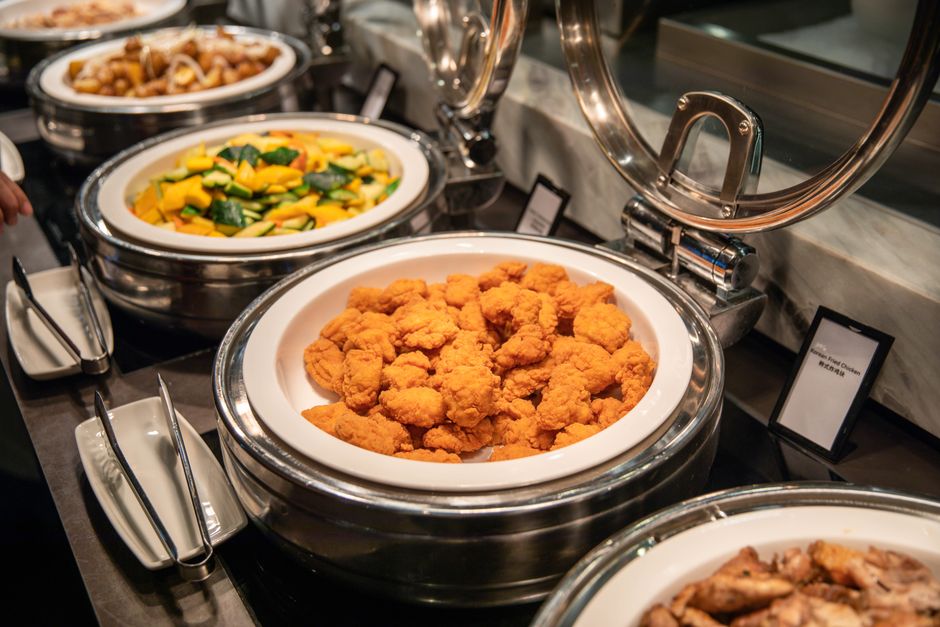
Creating a wedding menu is one of the most exciting yet challenging decisions when planning your special day. The food you serve will set the tone for your celebration and create lasting memories for your guests. A thoughtfully designed menu elevates the entire event experience.
Choose Your Service Style
First, consider your guest count and service style preferences. A plated dinner service offers elegance and precision, with each guest receiving the same thoughtfully prepared course at the same time. This creates a unified dining moment where everyone can enjoy the meal together, fostering connection and shared experience. Buffet service offers variety and flexibility, allowing guests to select what appeals to them most based on personal preference and dietary considerations.
Reflect Your Taste and Guest Needs
Your menu should reflect your personal taste while considering your guests' diverse dietary needs and preferences. Work closely with your catering team to understand what dishes work best for your chosen service style. Plated dinners work beautifully with multi-course progression, building anticipation through each carefully sequenced course. Buffet presentations shine with diverse proteins, vegetables, grains, and accompaniments that showcase different flavor profiles and culinary techniques.
Consider Timing and Event Details
Timing plays a crucial role in menu selection. Consider when your event takes place during the day or evening, as this significantly influences both the dishes and portion sizes that work best. An afternoon garden celebration may call for lighter fare and refreshing preparations, while an evening reception often features heartier, more substantial offerings that satisfy after cocktail hour.
Discuss your menu timeline with your catering team well in advance. They can advise on which dishes require advance preparation and which benefit from final plating or assembly. Understanding preparation requirements ensures your food arrives at peak freshness, optimal temperature, and exceptional presentation quality.
Flow and Presentation
Think about how your menu flows from course to course. Lighter dishes should precede richer ones, and flavors should complement rather than clash. Your catering team can create a progression that feels natural and satisfying throughout the meal.
Don't overlook presentation. Culinary experiences engage all the senses, and visual appeal is paramount. Discuss plating styles, garnishes, and presentation vessels with your team. The visual quality of each dish enhances the overall dining experience significantly.
Consider seasonal elements or ingredients that hold special meaning for you. Incorporating peak-season ingredients not only supports superior flavor but also reflects careful planning and attention to detail that your guests will appreciate and remember.